

Mental healthcare provider Amaha is set to close a Rs 100 crore fundraise, which it will use to open new hospitals and clinics in Indian cities, strengthen its clinical teams and invest in technology.

The funding includes Rs 10 crore in debt financing from Alteria Capital, which leaves roughly Rs 90 crore as equity. Amaha has not disclosed its valuation or the amount each investor is contributing.
Existing investors Lightbox Ventures and Fireside Ventures are part of the round. They are joined by London-based life skills platform Sandbox International Holdings Limited, Nithin Kamath through Rainmatter, and the family offices of Shreyas Shibulal, Ashish Bharat Ram and Adarsh Jalan.
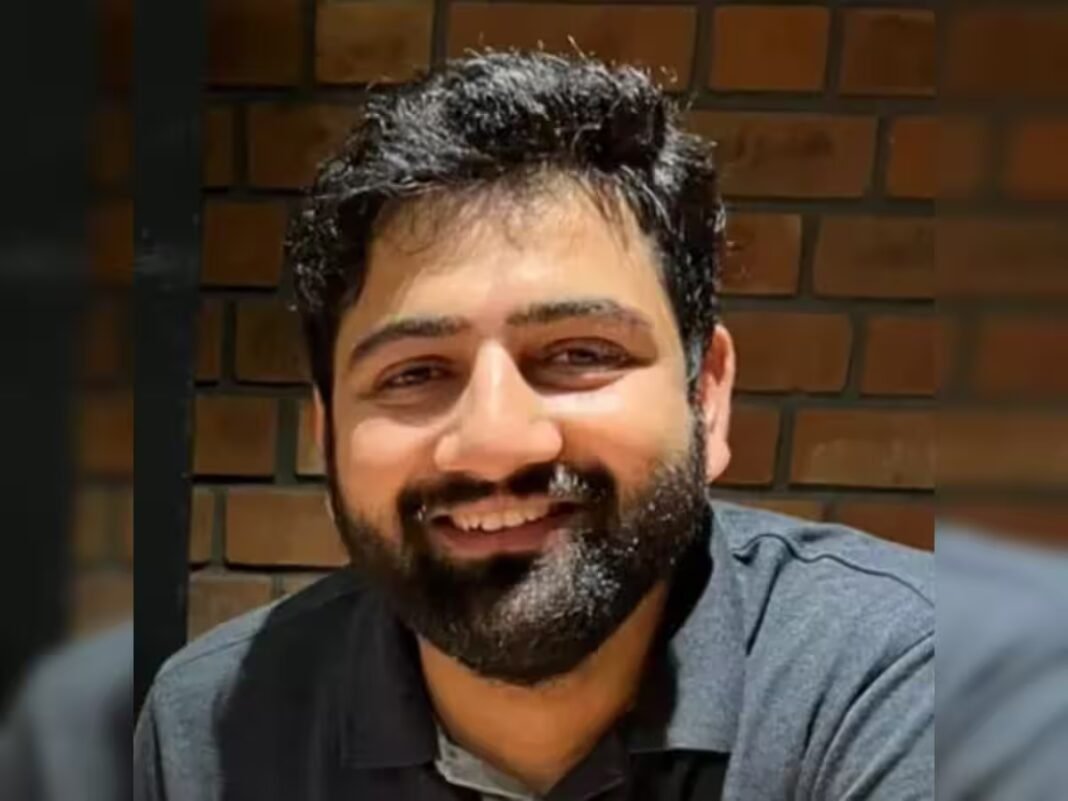
“Over the years, working with lakhs of individuals and families, we have seen how important it is for people living with mental illness to get the right care at the right time, with their families supported along the way,” said Dr Amit Malik, psychiatrist, founder and CEO of Amaha.
“Our focus now is on deepening our clinical expertise and further building the infrastructure and systems needed to make evidence-based specialist mental healthcare accessible to more individuals and families across India, while maintaining high quality of treatment,” he added.
Where the money will go
Amaha said it will spend on clinical training, supervision and evidence-based treatment protocols as the network grows. It will also explore AI-enabled tools for patient triage and clinician support, and use data analytics to help clinical teams coordinate treatment, track outcomes and improve care delivery.
The bulk of the expansion is physical. Amaha opened its first hospital, a 27-bed super-specialty mental health facility in Thanisandra, Bengaluru, on 4 August 2025. It was inaugurated by Karnataka Health Minister Dinesh Gundu Rao and offers inpatient care for people with severe psychiatric conditions and acute distress.
A second hospital, with 55 beds in south Bengaluru, is scheduled to begin operations by the end of December 2026. Once it opens, Amaha’s two hospitals will have a combined 82 beds.
What Amaha does and at what scale
Founded in 2016 by Malik as InnerHour, Amaha offers digital self-care, outpatient consultations, inpatient treatment and community support. Neha Kirpal joined as co-founder in 2019.
It treats conditions including anxiety, depression, bipolar disorder, ADHD, OCD, addiction, schizophrenia and personality disorders.
The startup runs nine centres across Bengaluru, Delhi-NCR and Mumbai, and offers services in more than 15 languages. Amaha said it has delivered more than 450,000 therapy and psychiatry sessions to over 100,000 clients.
Its clinical network has more than 270 mental health professionals, and its peer-support communities have over 65,000 members. In January 2024, the startup had said it had more than 150 mental health professionals, so its clinical team has nearly doubled since then.
Earlier funding and financials
The new round is Amaha’s second this year. In March 2026, it raised Rs 50 crore in an extended Series A round led by Fireside Ventures, according to media reports.
Fireside put in Rs 18.07 crore in that round, Shreyas Shibulal Rs 13.55 crore and Lightbox Rs 9.3 crore. The board approved issuing shares at Rs 159.20 each, and the round valued the company at about Rs 300 crore, against Rs 177 crore in its previous round, according to reports.
Before that, Amaha had announced an extended Series A round of over Rs 50 crore in January 2024, in which Fireside Ventures invested Rs 36.4 crore and other strategic investors added more than Rs 15 crore. It also acquired Children First, a child and adolescent mental health provider, in 2022.
According to media reports, Amaha’s revenue grew to Rs 27.57 crore in FY25 from Rs 21.40 crore in FY24, a rise of about 29%. Its loss widened to Rs 29.80 crore from Rs 27 crore over the same period, an increase of roughly 10%.
The gap Amaha is targeting
Amaha’s Mental Health Report 2026, based on responses from 13,825 people, found that 53% of respondents had lived with mental health concerns for more than a year before seeking professional help. Nearly 95% reported experiencing two or more mental health concerns at the same time.
The startup said the findings point to the need for timely assessment and continued treatment.
National data shows a wider shortfall. Between 70% and 92% of people living with mental illness in India receive no formal treatment, according to the National Mental Health Survey 2015-16, as cited in a 2025 paper in the Indian Journal of Psychiatry.
The same paper puts India’s psychiatrist density at about 0.75 per 1 lakh people, below the recommended minimum of one per 1 lakh.