


Also in the letter:
■ Pine Labs, Mobikwik’s Q2 report
■ Binance outflows stablise
■ Temple claims to beat Apple, Oura
KKR, Singtel, Tata Communications to sell data centre firm STT GDC for over $5.5 billion

Key shareholders of STT Global Data Centres India — KKR, Singtel, and the Tata group — are drawing up plans to sell the local business , which is among India’s top three co-location providers, to unlock value, people in the know told us.
Driving the news: This would be the first time such a large data centre portfolio is up for sale in India, as hyperscalers and infrastructure providers race to build capacity. STT GDC India runs 34 data centres across 10 cities with a total capacity of 613 MW.
The potential transaction is part of a dual track initiative to find ways to help the Tatas rebalance capital requirements as well as streamline their data centre (DC) plans.
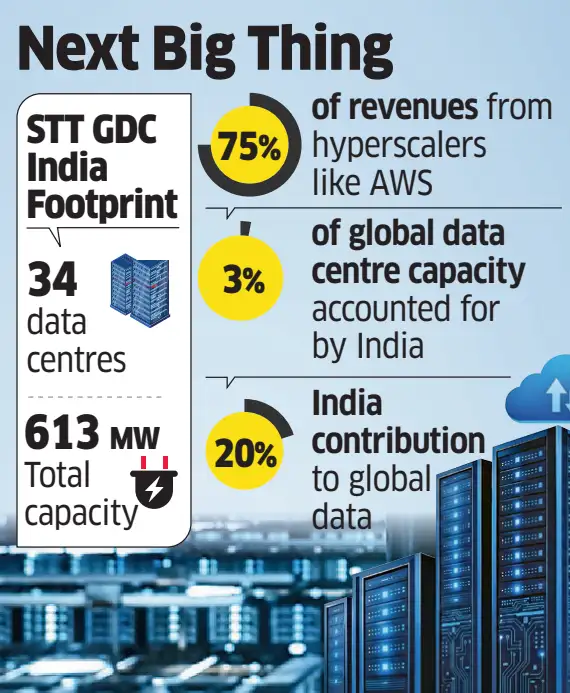
More details: Advisors appointed for the sale process will target global players already in India or planning an entry, deep-pocketed Indian conglomerates with announced mega investments, and financial sponsors such as infrastructure and buyout PE firms, sources said. In parallel, the shareholders had begun evaluating an Indian IPO at a $6-7 billion valuation around July.
Pricey assets: Data centres in Asia Pacific have been valued at 18-20 times their contracted Ebitda. Sources said transactions like Blackstone and CPPIB’s $16 billion acquisition of Australia’s AirTrunk in September 2024 had valued the target at 22-23x its contracted Ebitda. STT GDC is expecting similar multiples.
Also Read: High data centre, chip costs and cheaper AI models pose risks to capacity usage: Infosys CEO
Micro occasions fuel demand surge across quick commerce, beauty services

Micro occasions are driving a sharp increase in orders on quick commerce platforms, rapid fashion delivery apps, and at-home beauty services, with some categories recording more than double the usual demand as consumers turn to last-minute purchases, industry executives told ET.
Micro marketing: Quick commerce firms Blinkit, Instamart, and Zepto are stepping up marketing for these micro occasions in select pincodes.
- For Karva Chauth, mehendi orders surged 16x, while havan items, kalash, and pooja thalis rose 5x, a Flipkart spokesperson said.
- For Halloween, Flipkart Minutes saw a threefold rise in candy orders, masks and body art grew sixfold, and children’s costumes doubled on October 31.
- On Myntra Now, overall orders rose about 70% on October 29 versus regular days.
Demand drivers: Analysts say quick commerce is creating incremental demand around micro events through dedicated app pages, gamification via brand partnerships, and offers.
Also Read: New GST norms to simplify pan-India expansion for D2C brands
SaaS firm Capillary Technologies’ Q2 profit at Rs 21.9 crore, revenue rises 51%
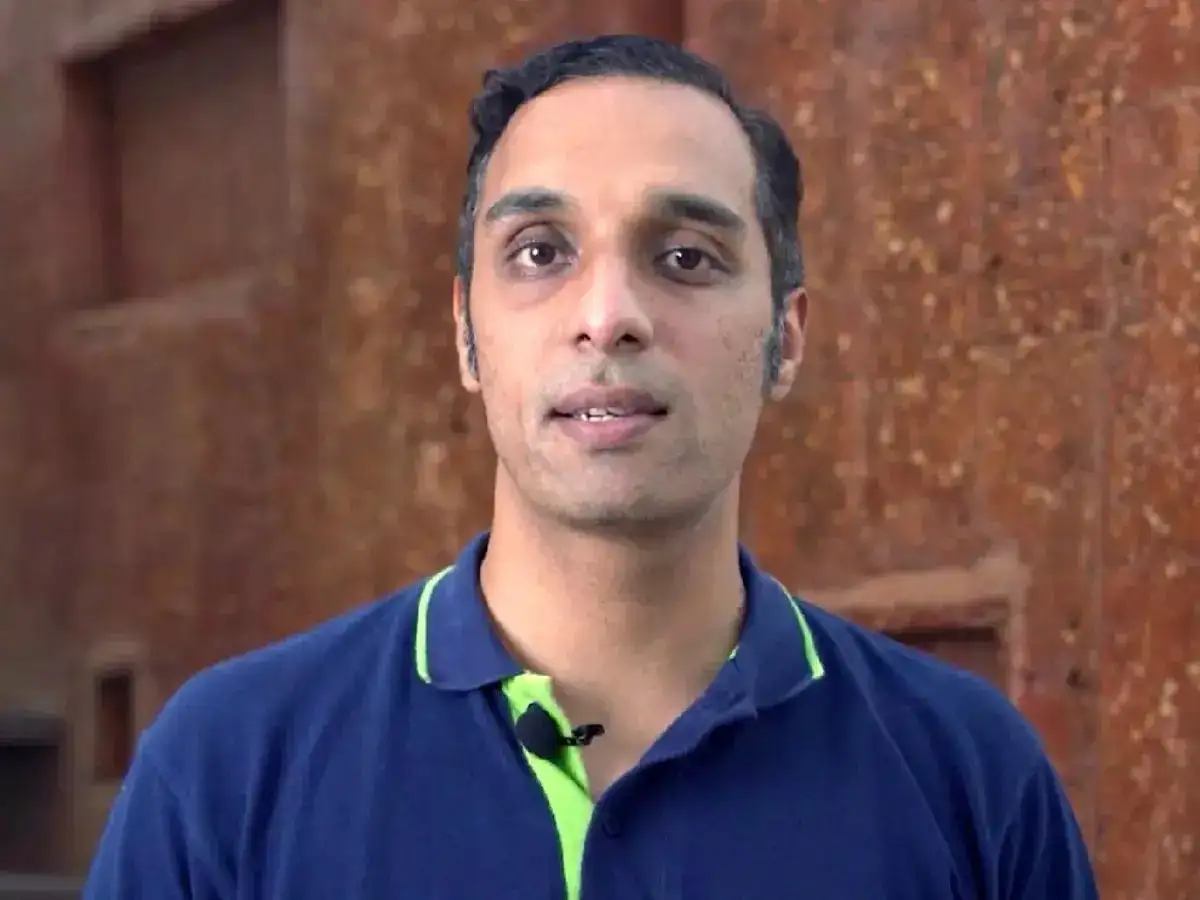
Capillary Technologies CEO Aneesh Reddy
Loyalty management software firm Capillary Technologies reported a major jump in its net profit for the September quarter.
Financials:
- Net profit: Rs 21.9 crore, against Rs 28.8 lakh a year earlier.
- Revenue from operations: Rose 51.3% to Rs 271.4 crore.
- Adjusted Ebitda: Up 103% year-on-year to Rs 44.9 crore.
- Outlook: Capillary retained its FY27 guidance of Rs 1,065 crore in revenue and Rs 172 crore in adjusted Ebitda.
MobiKwik shares zoom 10% as it posts record Rs 12 crore profit in Q2

Mobikwik founders Bipin Preet Singh and Upasana Taku
Shares of One MobiKwik Systems surged nearly 10% on Monday afternoon after the fintech platform returned to profitability in the September quarter, reporting its highest-ever quarterly consolidated net profit.
Financials:
- Net profit: Rs 11.8 crore, compared with a net loss of Rs 28.6 crore
- Revenue from operations: Increased 9% year-on-year to Rs 1,082.6 crore.
- Ebitda: The company also posted its highest-ever quarterly Ebitda at Rs 22.7 crore. This is a sharp YoY turnaround from an Ebitda loss of Rs 6.4 crore a year ago.
Binance sees outflows stabilising as exchange returns online after $6.3 billion heist

Binance customers pulled $3.64 billion, about 2.1% of its assets, as the world’s biggest cryptocurrency exchange resumed service following a security breach linked to North Korea that saw $6.3 billion stolen from the platform last week.
Precautionary withdrawals: The exchange said withdrawals were stabilising after an initial spike and that deposit volumes had remained “substantial,” adding it had now covered 95% of the stolen assets. Binance reported $171 billion in total assets under management as of October 28, with 335 million registered users globally.
Phased withdrawal rollout: Binance said withdrawals would be carried out in stages, prioritising user demand. The first phase covered 15 tokens including bitcoin, ether, dogecoin, and some USDC and USDT stablecoins.
The exchange said it had covered $6 billion of stolen cryptocurrency by using company money to buy replacement tokens. The remaining 5% of stolen tokens consists of less liquid assets that may take longer to source.
Also Read: Crypto exchanges call for quick moves to bolster defenses after Binance heist
Deepinder Goyal’s Temple claims it beats Apple Watch, Oura, Whoop on heart-rate accuracy
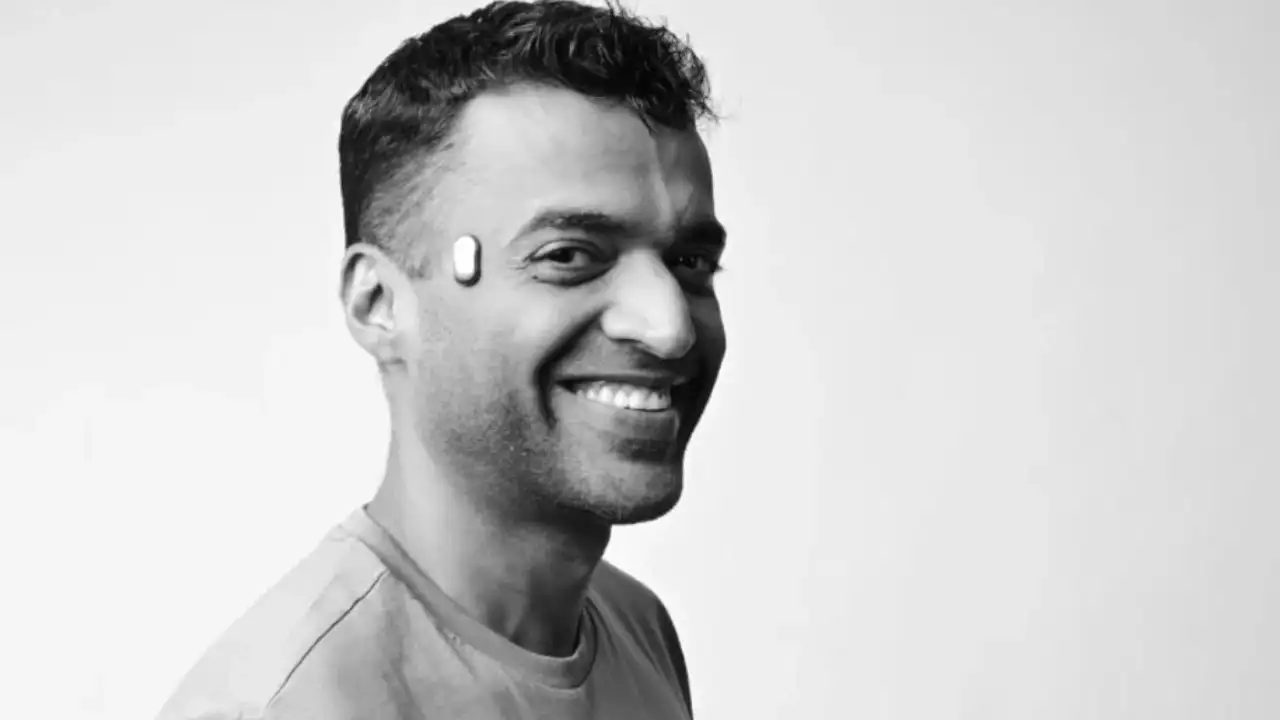
Temple, the wearable startup launched by Zomato founder Deepinder Goyal, claims its temple-worn device measures heart rate more accurately than the Apple Watch Series 12, Fitbit Air, Whoop MG, Garmin Forerunner 970, and Oura Ring 5 — on the strength of a study the company funded, ran, and analysed itself.
What the study did: The white paper, published on October 31 and not peer-reviewed, was a single-site study in Gurugram with one session per participant that involved only running on a treadmill. Cycling, strength training, outdoor running, and everyday activities were not tested.
Tell me more: Forty-three healthy adults wore all six devices simultaneously through a graded treadmill protocol from rest to near-maximal effort, with readings compared second by second against a Polar H10 ECG chest strap taped to the skin.
Temple’s mean absolute error was 1.18 beats per minute, ahead of the Apple Watch Series 12 (1.94 bpm), Fitbit Air (2.96), Whoop MG (3.14), Garmin Forerunner 970 (3.18) and Oura Ring 5 (5.21).
Also Read: Deepinder Goyal’s Temple to open pre-orders on November 1